FloStor's lifting and handling solutions provide the muscle behind efficient material movement. We offer a comprehensive range of equipment designed to safely and efficiently move materials of all sizes and weights — from small ergonomic parts to massive loads spanning multiple tons.
Our solutions are engineered to improve productivity, enhance safety, and reduce operational costs across manufacturing, distribution, and processing environments. Whether you need overhead systems, powered vehicles, or ergonomic lift assists, FloStor matches the right technology to your specific load profiles, distances, and workflow requirements.
Musculoskeletal disorders from manual handling are the leading cause of lost-time injuries in warehouses and manufacturing plants, driving up workers' compensation costs and creating ongoing staffing gaps.
Shared aisles where forklifts and workers compete for space create constant near-miss incidents, slow throughput, and require expensive traffic management measures to maintain acceptable safety standards.
When production cells must wait for materials to be staged or repositioned manually, cycle times extend and output targets become difficult to sustain without adding labor headcount.
Aging or improperly specified lifting equipment breaks down unexpectedly, halting operations at critical moments and generating costly emergency repair bills that erode equipment ROI.
Not every material movement challenge calls for the same solution. A load that weighs 50 lbs and travels 10 feet repeatedly throughout a shift is best addressed with a balancer or ergonomic lift assist. A 2-ton die that moves across a 60-foot machine bay calls for an overhead bridge crane. A pallet traveling 300 feet from receiving to staging may be ideal for an automated guided vehicle or electric pallet mover.
FloStor evaluates four key variables for every project: load weight and dimensions, lift frequency and distance, required positioning precision, and available floor or overhead space. That analysis drives a recommendation spanning the full spectrum — from simple ergonomic tools to complex automated systems — so you invest in the technology that actually fits your operation rather than over- or under-engineering the solution.
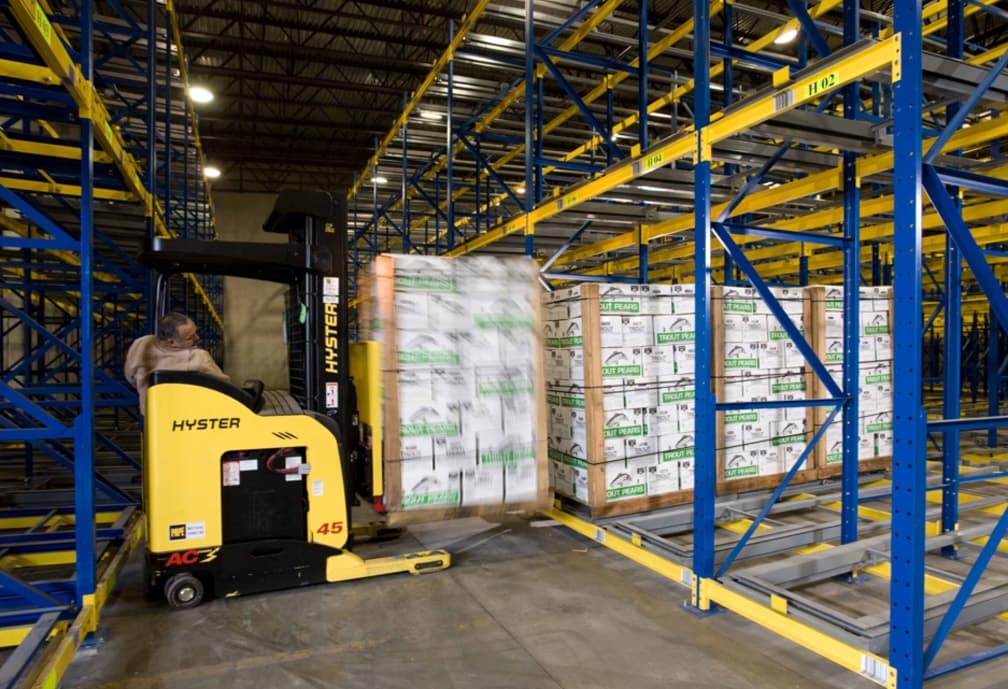
Versatile powered vehicles for lifting, moving, and placing materials throughout your facility. Selection includes counterbalance, reach, pallet, and narrow aisle configurations.
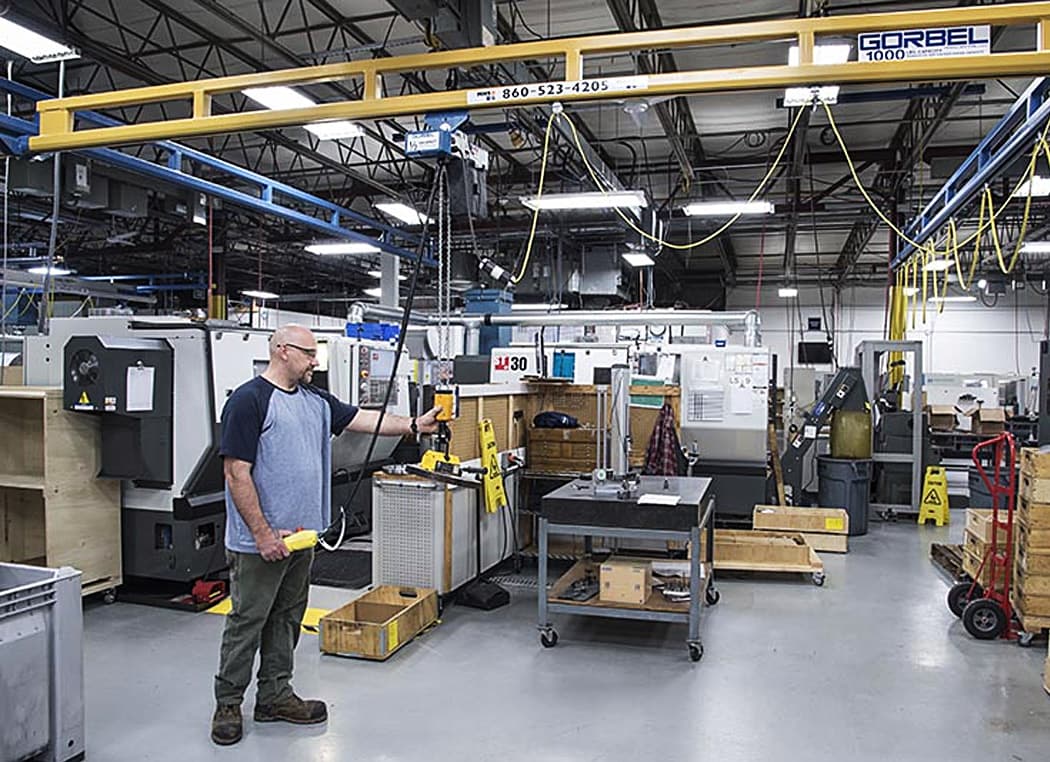
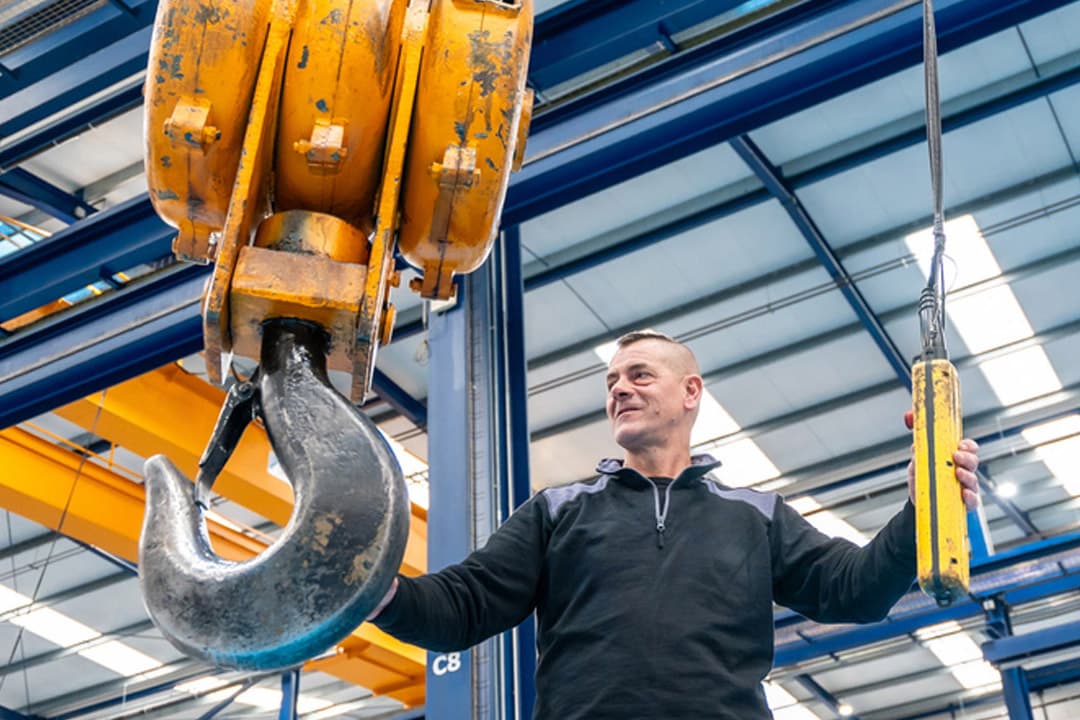
Ceiling-mounted systems for efficient vertical lifting and horizontal transport of heavy loads. Bridge cranes, gantry cranes, and jib cranes maximize floor space while handling precision movement.
Adjustable-height platforms that bring materials to the optimal working height for each task, reducing bending, reaching, and awkward postures that lead to musculoskeletal injuries.
Suction-based lifting devices and articulated arm manipulators for handling non-porous materials — glass, sheet metal, plastic panels, and formed parts — without damage or excessive operator effort.
Electric powered pallet jacks, tuggers, and transfer carts for moving heavy loads across long distances without the congestion and safety risks associated with full-size forklifts.
Spring-balanced and pneumatic lift assist arms that counter the weight of repetitive lifts so operators can position loads precisely with minimal physical effort throughout an entire shift.
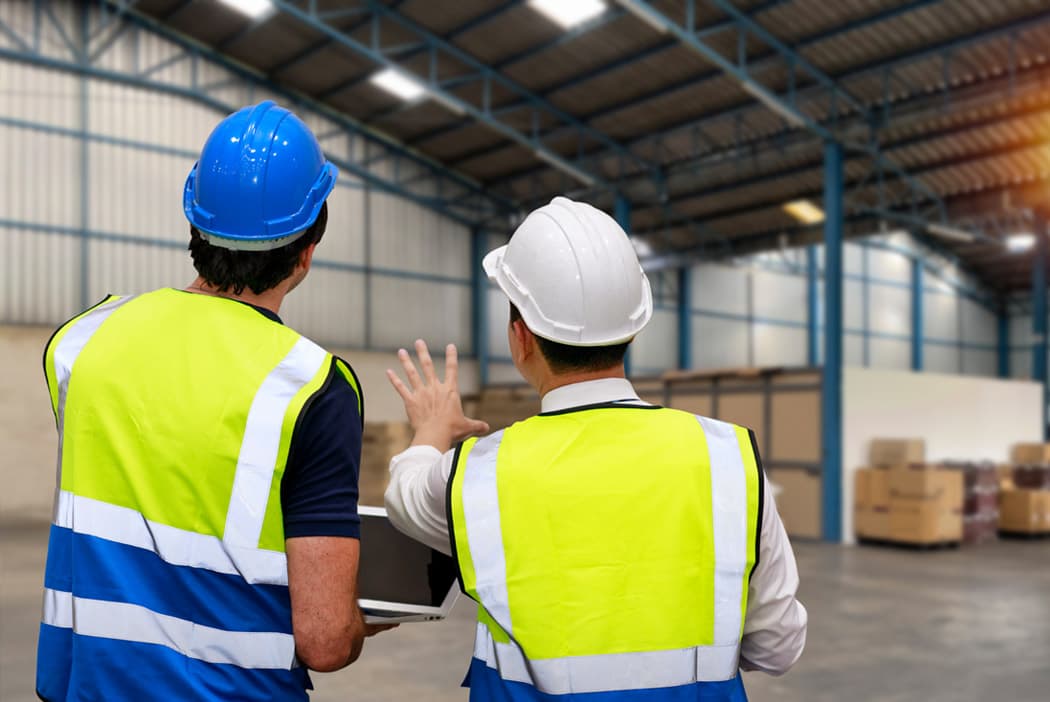
We observe your current material flows, measure lift weights and frequencies, and document injury trends to identify the highest-impact opportunities.
Our engineers match the right technology to each application — balancing capacity, ergonomics, aisle constraints, and total cost of ownership.
We design equipment placement, aisle layouts, and staging areas to maximize throughput while eliminating pedestrian-forklift conflict zones.
Our technicians install and commission all equipment, coordinating schedules to minimize impact on your ongoing production operations.
We deliver hands-on training for every operator, covering safe use procedures, pre-shift inspections, and OSHA compliance requirements.
Preventive maintenance programs, fleet tracking, and rapid-response service keep your equipment running at peak performance long-term.
Reduction in manual lifting injuries
Increase in material handling efficiency
Decrease in product damage from drops
Improvement in production cycle times
* Based on typical client implementations across manufacturing and distribution environments
Our material handling specialists will assess your facility, analyze your load profiles, and recommend the solution that best fits your safety goals and budget.
Request a Material Handling AssessmentContact our lifting and handling specialists to discuss the optimal solutions for your operations.
 FloStor