FloStor's safety and ergonomics solutions are designed to mitigate workplace hazards, reduce injuries, and improve operational efficiency. Our comprehensive approach combines innovative equipment, expert assessment, and strategic implementation to create safer work environments without compromising productivity.
By integrating safety and ergonomics into your material handling systems, we help you protect your workforce while enhancing performance and reducing costs. Every solution starts with a thorough assessment of your specific workplace risks, job tasks, and workforce characteristics to ensure the interventions we recommend deliver measurable results.
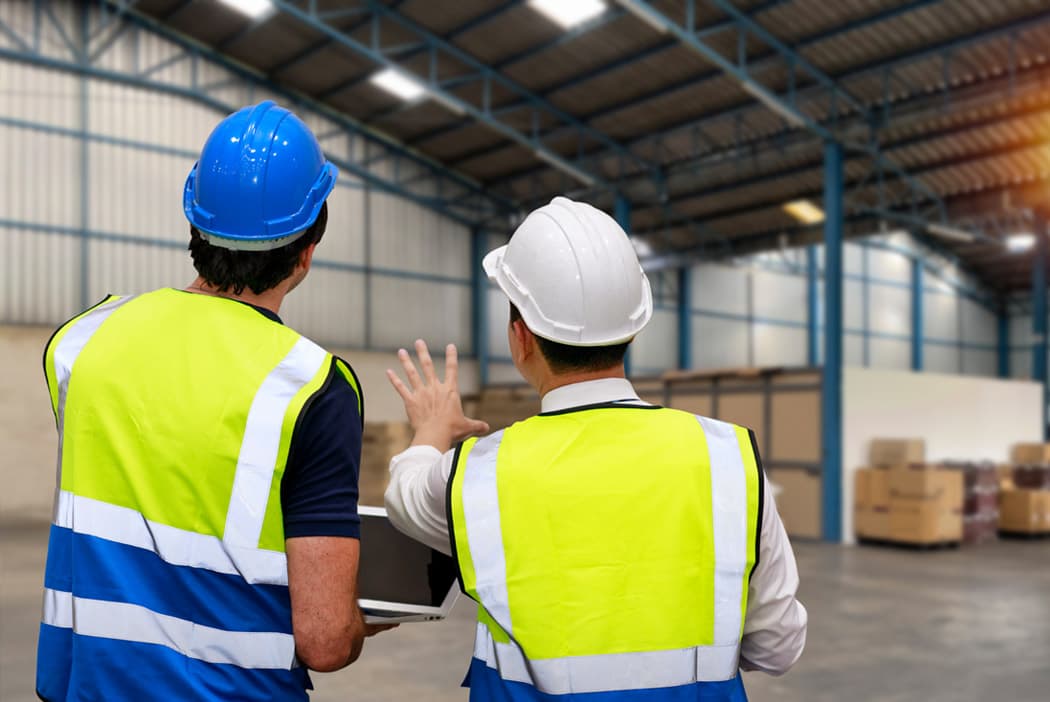
Musculoskeletal disorders and repetitive strain injuries drive OSHA recordable rates upward year after year, inflating insurance premiums and consuming supervisory time on incident investigations.
Workers who experience chronic fatigue and pain from ergonomically poor tasks leave for less demanding jobs, increasing recruiting costs and training time while reducing experienced headcount.
Facilities without documented hazard assessments, machine guarding, or fall protection risk significant fines, operational shutdowns, and reputational damage when regulatory inspections occur.
Even without recordable incidents, workers experiencing physical strain complete fewer tasks per shift, make more errors, and require more rest breaks — all of which directly reduce throughput.
Effective workplace safety starts with a systematic assessment — not assumption. FloStor conducts task-by-task ergonomic risk evaluations using validated tools like RULA, NIOSHlifting equations, and OSHA ergonomic guidelines to quantify risk scores for every repetitive or physically demanding operation in your facility.
Those risk scores drive a prioritized list of engineering controls: adjustable workstations, lift assists, anti-fatigue matting, machine guarding, collision avoidance, and visibility improvements. Engineering controls are always preferred over administrative controls or personal protective equipment because they eliminate or reduce the hazard at the source rather than relying on individual behavior.
After implementation, FloStor validates results through follow-up assessments and tracks injury metrics to demonstrate ROI. Most clients see measurable reductions in recordable injuries within the first year, with workers' compensation savings that often exceed the cost of the safety investment within 12 to 18 months.
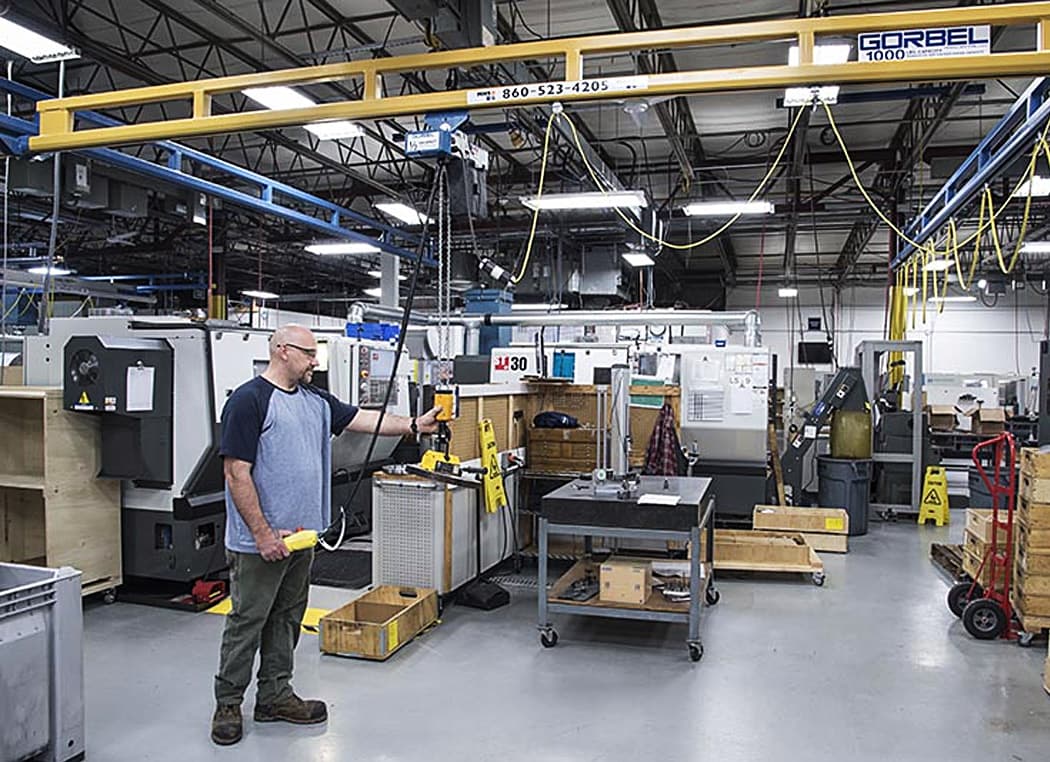
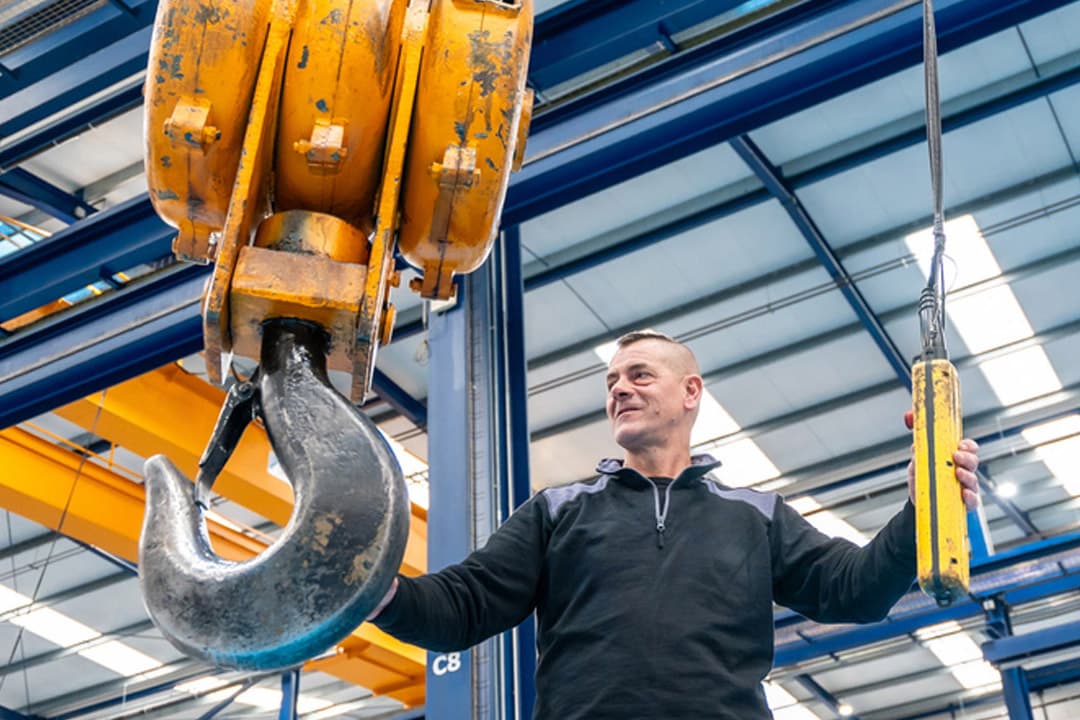
Mechanical and pneumatic systems that reduce the force required to lift, move, and position items — eliminating heavy lifting while maintaining precise control for assembly or processing tasks.
Adaptable workstations that accommodate workers of different heights and tasks of varying requirements, with manual or electric adjustment to optimize posture and reduce musculoskeletal strain.
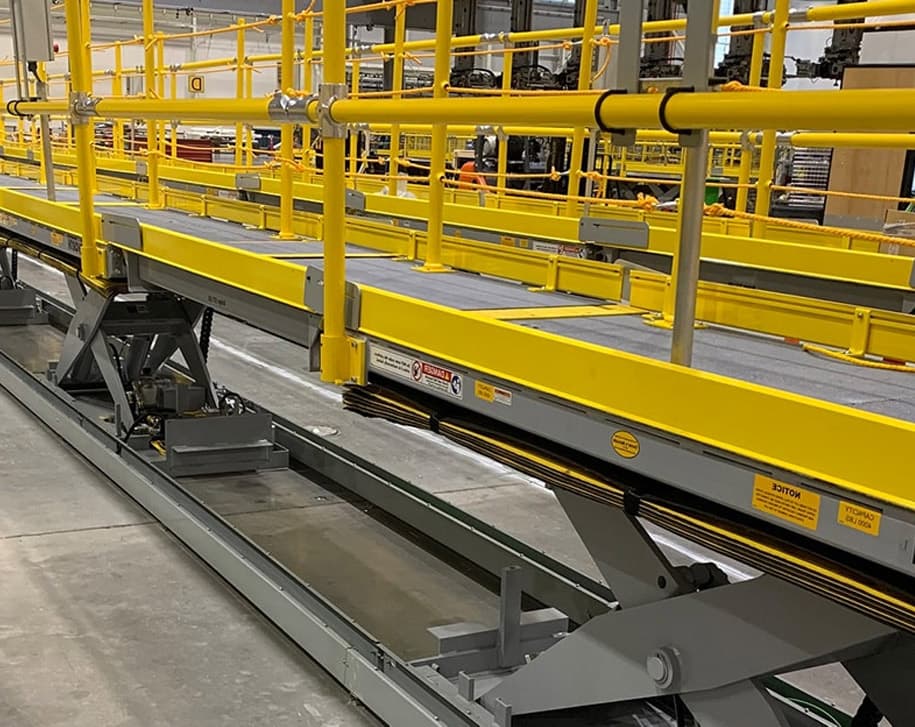
Lift tables, tilters, pallet positioners, and container rotators that bring materials to the optimal working height and orientation — eliminating the bending, reaching, and twisting that cause injuries.
Physical barriers, light curtains, safety mats, and electronic interlocks that prevent access to hazardous areas while maintaining operational efficiency and accessibility for authorized maintenance.
Proximity sensors, pedestrian detection systems, blue safety lights, warning horns, and speed limiters that prevent accidents involving forklifts, AGVs, and other mobile equipment in shared workspaces.
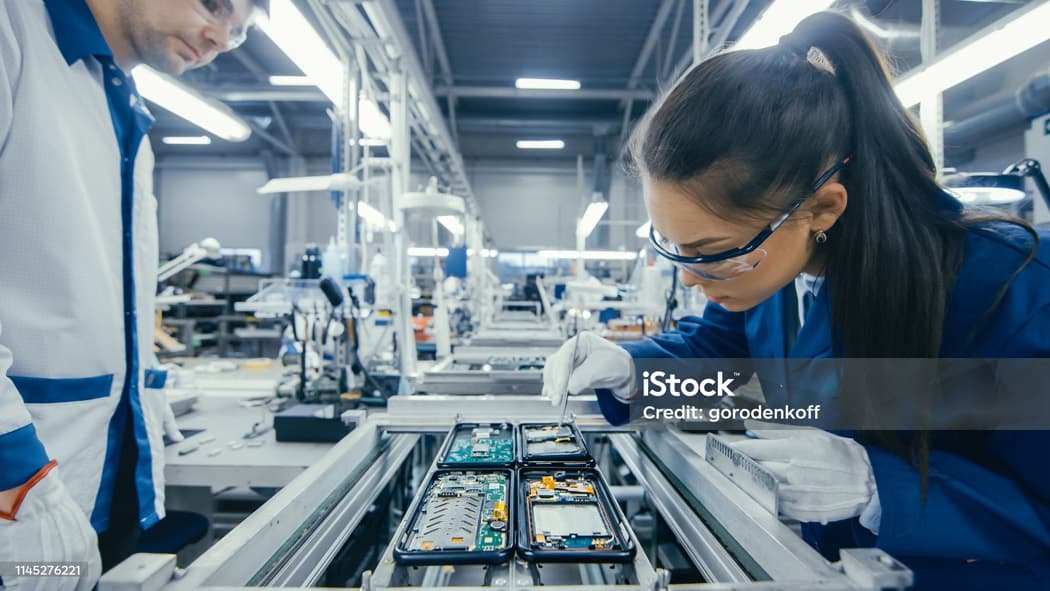
Ergonomic matting systems, supportive seating, tool balancers, proper lighting, and personal protective equipment programs that reduce physical strain during prolonged standing or repetitive tasks.
We conduct comprehensive ergonomic risk evaluations and safety audits using validated tools to quantify hazard levels across all job tasks.
Risk scores and injury data are combined to build a prioritized intervention roadmap that targets the highest-impact issues first for maximum ROI.
Our engineers specify equipment, layout changes, and process improvements that eliminate or reduce hazards through engineering controls rather than relying solely on behavior.
Safety equipment and ergonomic solutions are installed and commissioned, followed by comprehensive training for operators, supervisors, and safety teams.
Post-implementation assessments confirm that risk scores have decreased and that workers are using the new equipment and procedures correctly.
We track injury metrics, conduct periodic re-assessments, and recommend additional improvements as your operations evolve over time.
Return for every $1 invested in ergonomic improvements
Reduction in musculoskeletal injuries with proper solutions
Productivity improvement at ergonomically optimized workstations
Average direct cost per workplace injury — the cost of inaction
* Based on industry research and documented case studies. Results may vary by implementation and workplace conditions.
Our safety and ergonomics specialists will assess your facility, identify your highest-risk tasks, and recommend interventions that reduce injuries while boosting productivity.
Request a Workplace AssessmentContact our safety and ergonomics specialists to discuss solutions tailored to your specific challenges and workforce needs.
 FloStor