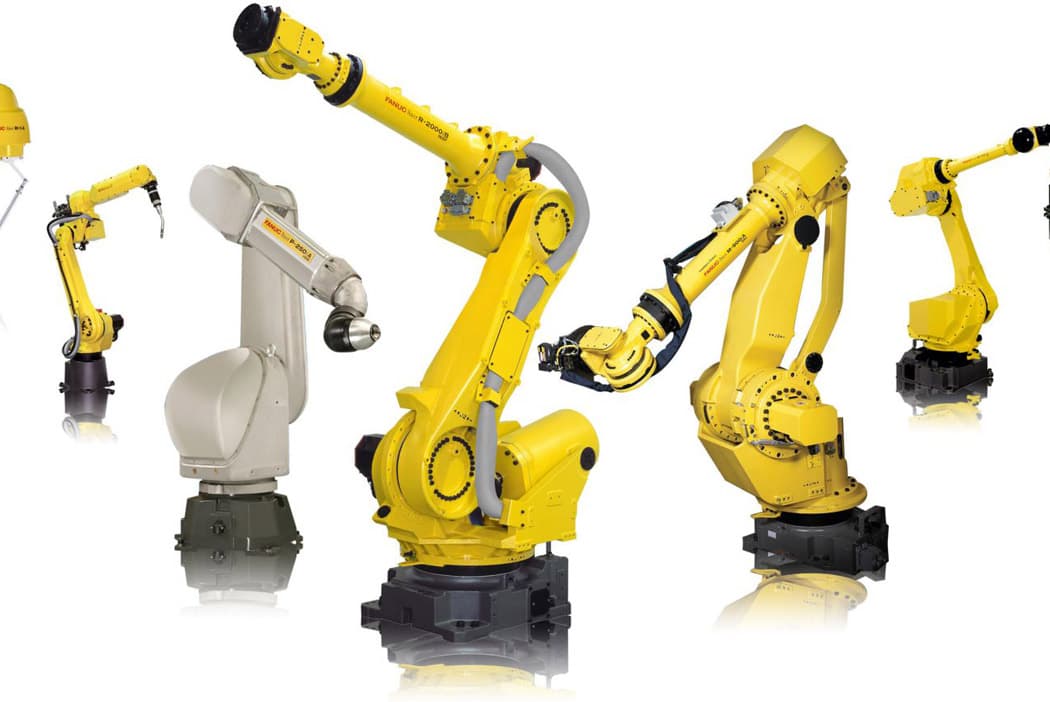
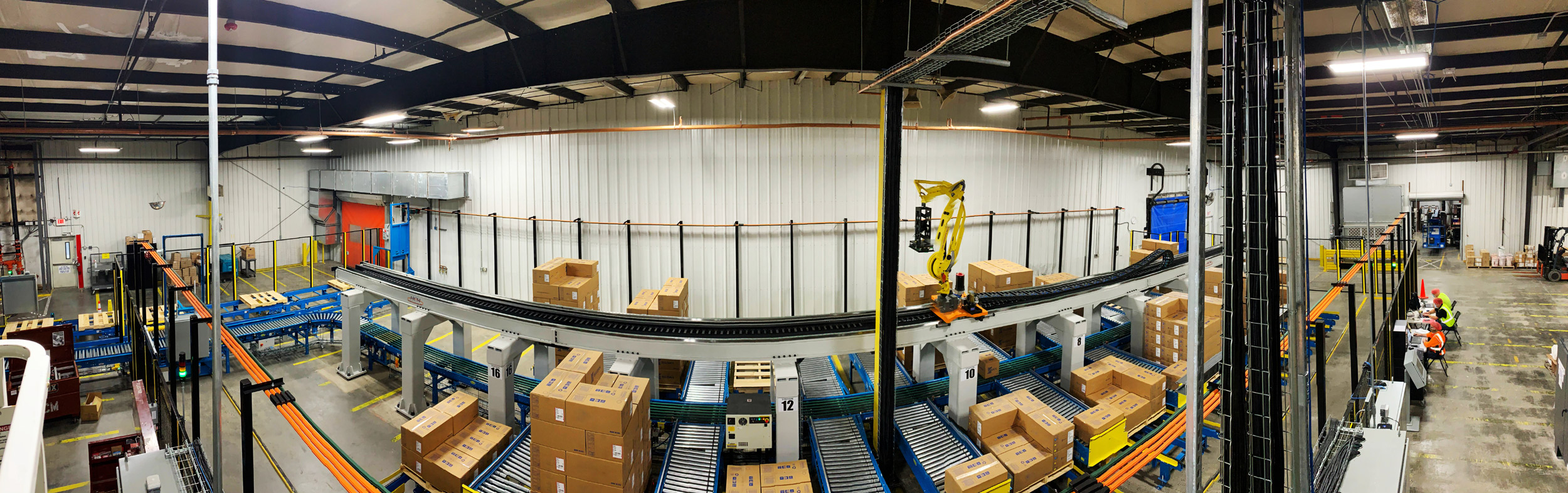
Modern distribution and manufacturing operations increasingly rely on integrated automation to keep pace with order volume growth, labor market constraints, and customer expectations for speed and accuracy. FloStor designs, integrates, and supports the full spectrum of material handling automation — from standalone robotic cells to fully orchestrated systems where AS/RS, conveyors, AGVs, and control software work as a single coordinated network.
Our systems integration expertise means we can connect new automation to your existing WMS, ERP, or warehouse control systems without requiring a full technology replacement. Every automation project begins with simulation modeling to validate performance and ROI before any capital is committed.
Standalone automated equipment that operates without integration to adjacent systems creates handoff bottlenecks — product queues up waiting for manual transfer between automated zones, negating the throughput gains the automation was supposed to deliver.
Manual-intensive operations that depend on temporary labor at peak season face cascading throughput failures when labor markets tighten — and the cost of unfilled positions often exceeds the cost of automation within 2–3 seasons.
Without baseline operational data and simulation modeling, automation ROI projections are guesswork — making capital justification difficult and leading to either underinvestment or misaligned automation choices that don't solve the actual bottleneck.
Connecting new automated equipment to existing WMS, ERP, or other control systems without a structured integration approach leads to data silos, manual workarounds, and systems that technically work but operationally require constant human intervention.
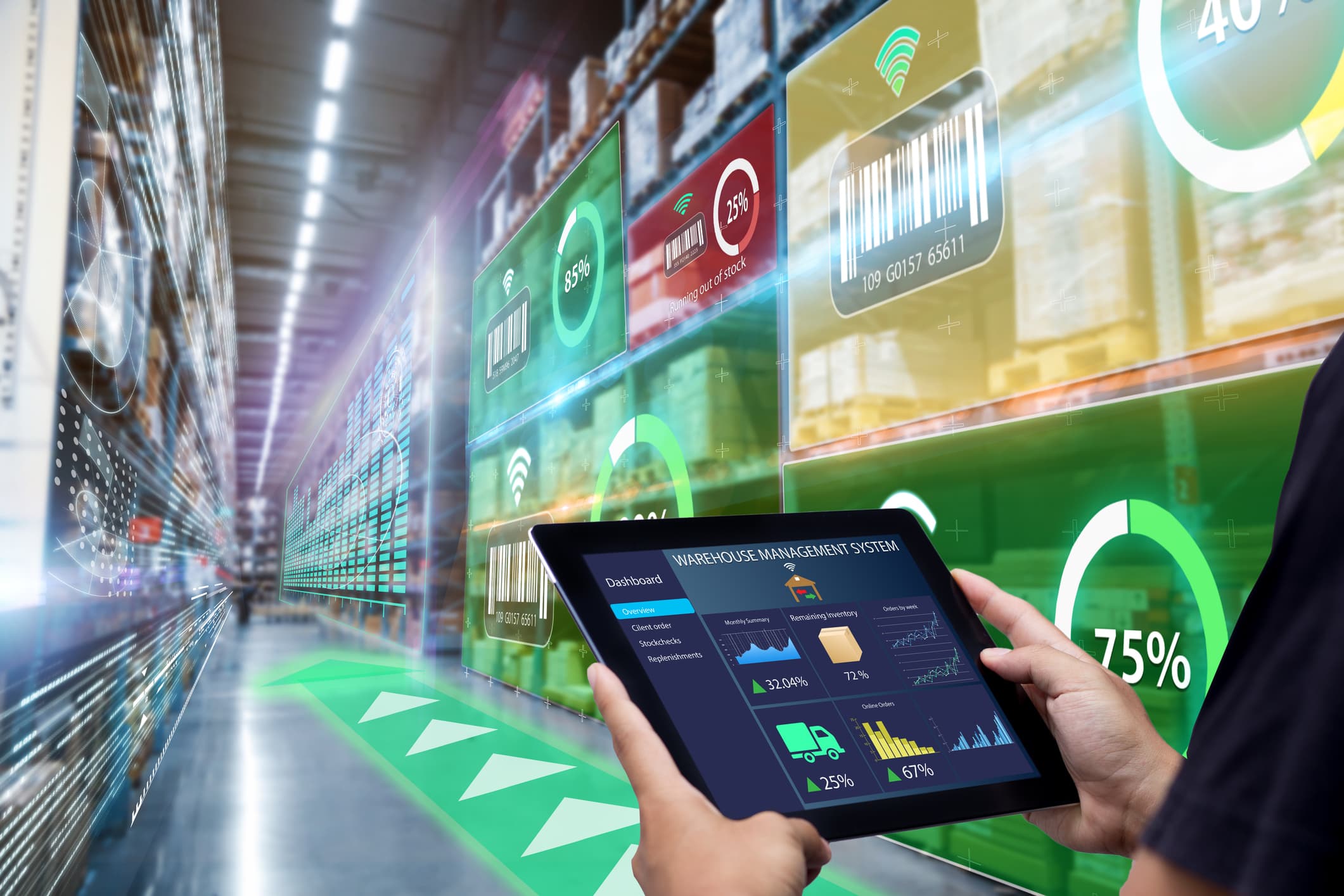
Effective automation is an architecture, not a collection of equipment. A warehouse control system (WCS) sits between your WMS and the physical equipment, translating order directives into real-time equipment commands — telling conveyors when to run, AGVs where to go, and AS/RS cranes which locations to access. This orchestration layer is what turns individual automated machines into a coordinated fulfillment system.
FloStor uses simulation modeling (digital twin technology) at the design stage to test system layouts, equipment configurations, and control logic against your actual order profiles before any steel is cut. Throughput bottlenecks, equipment conflicts, and staging requirements are resolved in the model — not on the warehouse floor after the project is complete.
Integration with existing WMS and ERP systems is handled through standard APIs, message queuing, and middleware where needed. Our controls team has connected FloStor-designed systems to every major WMS platform and dozens of custom systems, maintaining data integrity across the boundary between software and physical automation.
Automated storage and retrieval systems — from unit-load crane systems to mini-load and vertical lift modules — that maximize storage density and provide rapid, accurate inventory access.
Autonomous mobile robots and guided vehicles for pallet transport, tote handling, and goods-to-person fulfillment — deployable without fixed infrastructure changes.
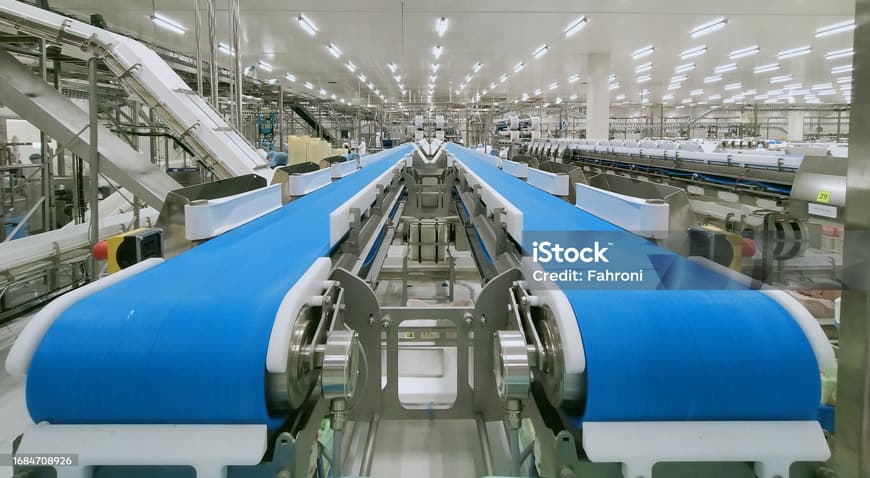
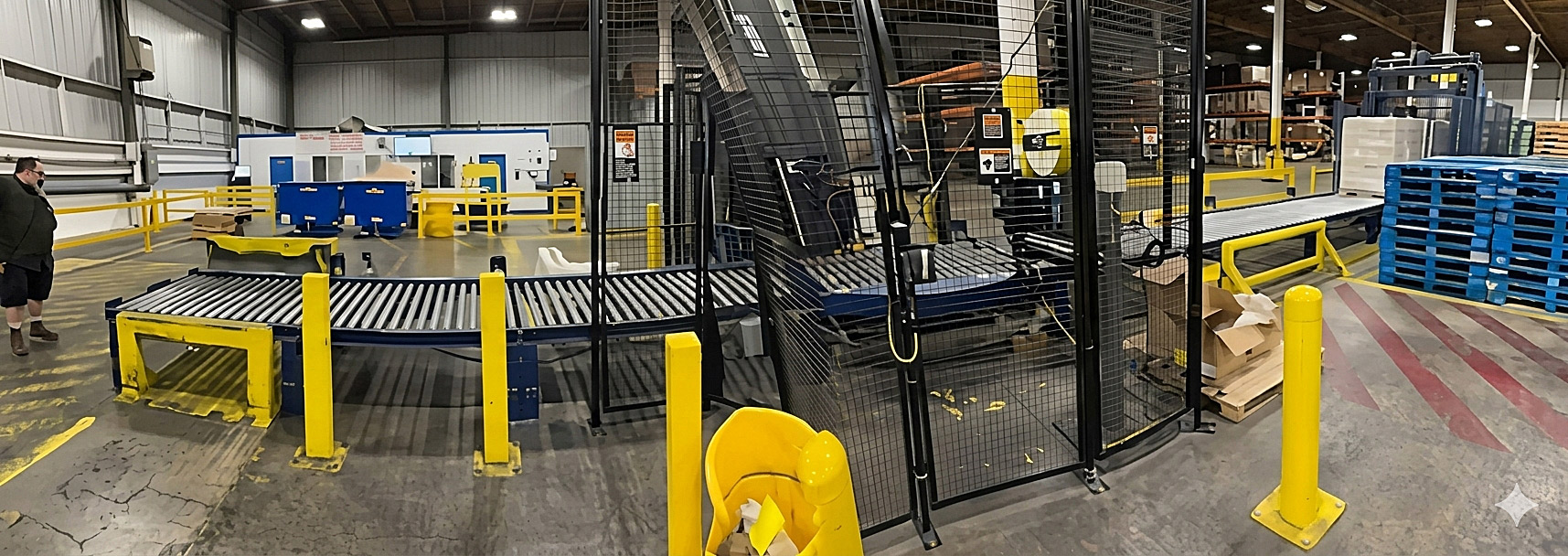
Engineered conveyor networks with intelligent sortation that direct products to the right location at the right time — the backbone of most automated fulfillment operations.
Goods-to-person systems, automated packing, and pick-assist technologies that dramatically increase units-per-hour and picking accuracy while reducing walk time.
The software layer that orchestrates all automated equipment — directing conveyors, AS/RS, AGVs, and workstations in real time to optimize flow and maximize throughput.
3D discrete-event simulation that validates your automation design, throughput capacity, and ROI projections before capital is committed — reducing project risk and accelerating approval.
We assess your current operations, order profiles, throughput requirements, and growth projections to identify the highest-value automation opportunities.
Before recommending solutions, we model your operation using discrete-event simulation to validate throughput, identify bottlenecks, and confirm ROI projections.
Our engineers develop detailed system designs including equipment selection, layout drawings, control architecture, and integration specifications.
We engineer the WCS/WMS integration layer, define data interfaces, and build control logic that ties all automated systems into a single coordinated network.
Our project teams manage installation, integration testing, and go-live commissioning — including parallel operations where needed to protect business continuity.
Post go-live performance monitoring, system tuning, and ongoing technical support ensure your automation delivers its designed throughput and ROI.
Throughput increase after integrated automation implementation
Reduction in labor cost per unit shipped
Order accuracy rate in automated fulfillment operations
Typical ROI timeline for integrated automation projects
* Based on typical client implementations across distribution and manufacturing environments
Our integration team will analyze your current operations, model throughput scenarios, and identify the highest-ROI automation opportunities — before any capital commitment.
Schedule an Automation AssessmentContact our automation specialists to discuss how integrated systems can transform your material handling operations.
 FloStor